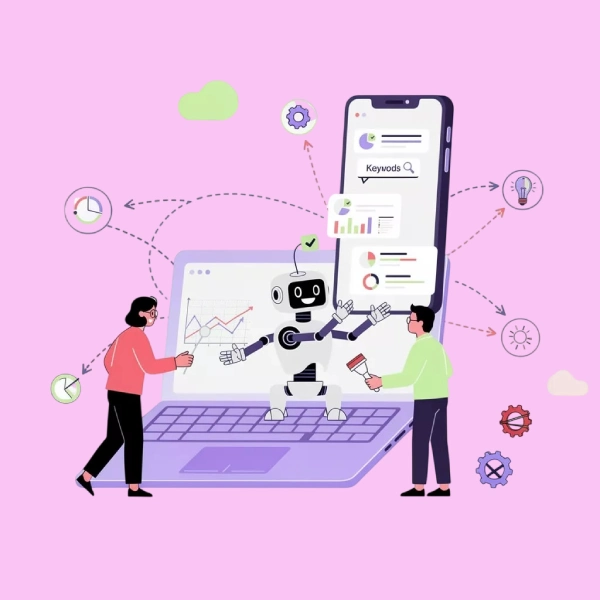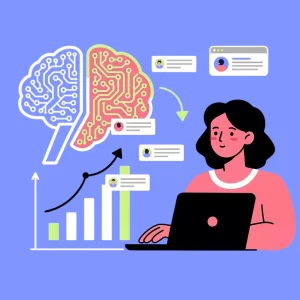
Artificial intelligence is revolutionising all fields, and SEO and digital marketing are not untouched by it. AI has a huge impact on SEO, as search engines are becoming smarter by the day; AI helps in keeping track of these updates. Using AI in SEO helps in analysing large amounts of data and, based on that, creates personalised strategies that are adaptive to user behaviour. Let’s see how AI is impacting SEO with its smarter search strategies in 2024.
Understanding AI in SEO
When we talk about AI in SEO, we mainly talk about using machine learning or advanced algorithms aimed at enhancing search engine functions. With the help of these technologies, search engines are able to track user behaviour better and deliver more accurate results. One of the best examples of this is Google’s RankBrain. It is an AI-based system that intercepts user queries and gives the most relevant answer to the user. Now, technologies like this have pushed SEO from merely analysing the keywords to understanding the search Intent and needs of the user.
AI-powered SEO Tools and Content Creation
Today, powered tools are crucial for content creation in AI. They help marketers to research for relevant keywords, analyse the content and competitor tracking. This way, they get a deeper insight into their relevant goals. There are various tools that use AI to analyse top-performing websites ls and content. Some of them are SEMrush, Aherfs and Surfer SEO.
Now, the use of AI is not restricted only to analysing; tools such as ChatGPT and Jasper AI are natural language processing tools that help you produce content that aligns with how users naturally search information.
Optimising for AI-Driven Search Engines
AI has changed how content is ranked. Search engines now look beyond keyword density to factors like content relevance, user engagement, and website performance. This makes optimising content for AI-driven search engines crucial. Modern SEO strategies focus on user experience, quality content, and technical aspects like page load speed and mobile-friendliness. For instance, Google’s Core Web Vitals emphasise page speed and interactivity, factors that AI algorithms heavily consider.
AI in Keyword Research and Analytics
AI also plays an important role in keyword research. There are tools that analyse search intents and user trends, and based on the search volume, they are able to provide insights into long-tail keywords and trending queries. SEMrush and MOZ help businesses with in-depth keyword research. Furthermore, AI tools like Google Analytics 4 (GA4) and HubSpot process large datasets to identify user behaviour patterns, track website performance, and predict future search trends. Using these insights, marketers can easily adjust their strategies in real-time and make sure that their website is adaptable to user behaviour.
Voice Search and AI Integration
In 2024, virtual assistants such as Siri, Google Assistant and Alexa have become more powerful and resourceful. Advancement voice search has led to marketers optimising their content in the form of direct queries and answers. This is particularly important as voice search queries tend to be longer and more specific than text-based searches. AI tools such as AnswerThePublic can help you in figuring out all these long-tail queries.
The Role of AI in User Experience (UX)
User experience is now a major ranking factor, and AI plays a critical role in improving UX on websites. AI tools like Hotjar and Crazy Egg analyse how users interact with a website, identifying friction points that might cause them to leave. This data can be used to optimise website navigation, enhance page layouts, and personalise content delivery, all of which contribute to better user retention and higher rankings.
AI and Link Building Strategies
Link building remains a core part of SEO, and AI is making it more strategic. AI tools like BuzzSumo and Linkody can identify high-authority websites, analyse backlink profiles, and pinpoint opportunities for earning quality links. This shift makes it easier to develop a robust link-building strategy that aligns with search engine expectations while avoiding spammy tactics that could result in penalties.
As AI continues to improve, its role in SEO will only increase. It is time for businesses to embrace AI-driven strategies so that they can be ahead of the competition. With the help of AI, marketers can develop more sophisticated and adaptive SEO strategies and excel in this digital era.
Frequently Asked Questions
How does AI impact SEO?
AI impacts SEO by helping search engines understand user intent, analyse large datasets, and provide more accurate search results. It also enhances keyword research, content creation, and user experience through tools like SEMrush and ChatGPT.
What are some popular AI-powered SEO tools?
Popular AI-powered SEO tools include Ahrefs, Surfer SEO, Moz, and Jasper AI. These tools assist in keyword research, content optimisation, competitor analysis, and more.
How can I optimise voice search using AI?
To optimise for voice search, focus on long-tail keywords and a natural conversational tone in your content. AI tools like AnswerThePublic can help identify common voice search queries related to your industry.
Why is user experience important for SEO in 2024?
User experience is crucial because search engines prioritise websites that provide a seamless and engaging experience. AI tools like Hotjar and Google Analytics 4 help analyse user behaviour to improve site navigation, load speed, and content delivery.
Can AI replace traditional SEO methods?
AI enhances traditional SEO methods but doesn’t entirely replace them. It provides more precise data and insights, making SEO efforts more targeted and efficient while requiring a strategic human approach for implementation.
By integrating AI into your SEO strategy, you can better align with the search engines of 2024, ensuring your website remains visible and competitive in the evolving digital landscape.