Creating a high-converting landing page is both an art and a science. A well-optimized landing page can significantly boost your conversion rates, drive sales, and improve lead generation. But what exactly makes a landing page successful? In this comprehensive guide, we will explore landing page best practices to help you design a page that not only looks great but also converts visitors into customers.
What is a Landing Page?
A landing page is a standalone web page designed with a single focus: conversion. Unlike a homepage, which has multiple links and navigation options, a landing page directs visitors toward one specific action, such as signing up for a newsletter, making a purchase, or downloading a resource.
Landing pages are commonly used in digital marketing campaigns to drive traffic from sources like social media ads, Google Ads, and email marketing. When designed correctly, they can significantly improve your return on investment (ROI).
Why Landing Page Design Matters for Conversions
The main goal of a landing page is to drive conversions. Therefore, the effectiveness of a landing page directly relates to its design. Your goal must be to provide a great user experience where you can deliver your message clearly and it is also easy to navigate for your visitors. This way you can ensure a good conversion rate from your landing pages. Below are some of the characteristics that a high-converting landing page must have:
- The page should be visually appealing and able to attract visitors.
- The page should have a persuasive call to action.
- The loading speed of the page should be good.
- Your loading page must be mobile responsive and minimise distractions.
Now we’ll discuss the landing page best practices that you should follow in order to maximise your conversion rates and improve the effectiveness of your marketing efforts.
Essential Landing Page Best Practices
1. Keep the Design Clean and Focused
A disoriented and cluttered landing page can confuse and distract the visitors which in turn can reduce the number of your conversions. Therefore your goal should be to keep the design of your landing page clean, simple and easy to navigate. Below are some of the tips that you can follow to achieve this:
- Use adequate white space to increase readability
- Keep the number of visual elements that can distract to a minimum
- In order to highlight points and convey messages use a clear visual hierarchy with headings and subheadings
2. Craft a Compelling Headline
On your landing page, the heading is the first thing that the visitor will see. Therefore you should keep it clear and concise so that it can immediately communicate your message. Furthermore, the heading should tell the value and benefit of your offer while grabbing the action of your visitor. You should focus on using action-oriented language or create a sense of curiosity or urgency to motivate the purchase decision.
3. Use a Strong and Visible Call-to-Action (CTA)
As the only goal of a high-converting landing page is to get leads or sales, therefore your landing page must have a clear and compelling CTA. Make sure that your CTA button stands out from the background and is placed in a highly visible spot. You should use action-driven words like “Get Started,” “Claim Your Offer,” or “Download Now”
4. Optimize for Mobile Users
More than 70% of the web traffic comes from mobile phones. Therefore in order to increase the conversion rate you should make your high-converting landing page responsive to mobile phones. You can use landing page best practices such as adding easy tap buttons and forms, limiting the need for scrolling and optimising images for faster page loading. Furthermore, Google also prioritizes mobile-friendly pages in search rankings, making this a key factor for success.
5. Keep Forms Short and Simple
Lots of landing pages have forms, so if you also have a form then make sure that is not long and complicated. These types of forms discourage users from converting. Your forms should only ask for essential information and must have an auto-fill feature for convenience. You can also break your longer forms into multi-step sections.
6. Use High-Quality Visuals
The goal of the landing page is to capture the attention of the visitor and nothing can do this better than high-quality images and videos. Not only do these visuals help you capture the attention of the users but also build trust. Therefore while choosing visuals for your landing page design, consider:
- Using real images instead of generic stock photos
- Including product images or demo videos
- Using images that support your message
7. Build Trust with Social Proof
To strengthen your trust amongst visitors, share the proof that others have benefited from your offer. This will also motivate them to make a purchase decision. You can use customer testimonials, reviews and ratings, trust badges (e.g., security certifications) or case studies.
8. Improve Page Load Speed
The loading speed of your landing page is not only important for the user experience but also for your search engine rankings. Faster-loading pages have less bounce rate. Research shows that a one-second delay in load time can reduce conversions by 7%. So in order to increase your page speed, compress images, use a good hosting provider, minimise unnecessary scripts and enable browser caching.
9. Remove Navigation and Distractions
A good quality of a high-converting landing page is that it keeps its visitors focused on the goal. This means it removes distractions such as website navigation menus, unnecessary links, sidebars and pop-ups. This way you can limit the exit points and guide users towards taking desired actions.
10. Run A/B Tests for Continuous Improvement
Now, just designing the leading page won’t do the job. You’ll also need to test it so that you can figure out what works and what does not. You can conduct A/B testing on headlines, CTA buttons, form lengths, images and colours.
The Role of SEO in High-Converting Landing Pages
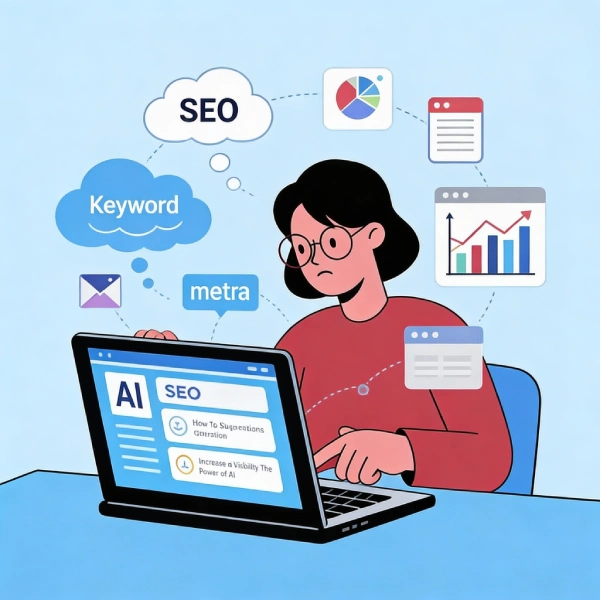
Now designing a landing page is not enough, it should also be able to rank on search engines. Therefore you should ensure that your landing pages are optimised for SEO. It is a technical task. If you don’t have a background it is wise to leave it to professional landing page design services that can design, test and optimise your page for SEO and drive results towards you. However, if you want to do it yourself you should:
- Use target keywords naturally in headlines and content
- Optimize meta titles and descriptions
- Use alt text for images
- Ensure fast load speeds and mobile optimization
Creating a high-converting landing page requires a balance of compelling design, persuasive content, and a seamless user experience. By following these landing page best practices, you can optimize your page for maximum conversions and drive better results for your business.