Video content drives 91% of businesses to report positive ROI, yet many brands struggle to navigate the complex landscape of professional video creation. Whether you’re considering hiring a production company or building internal capabilities, understanding every aspect of video production becomes crucial for success in 2026’s competitive digital marketplace.
What Is Video Production?
Video production encompasses the comprehensive video production process of planning, filming, and editing content to create polished videos that serve specific business objectives. This strategic approach transforms raw concepts into finished assets that drive engagement, conversions, and brand awareness across digital platforms.
Modern video production extends far beyond simply pointing a camera and recording. It involves three distinct phases: pre-production planning, production execution, and post-production refinement, each requiring specialized skills and technical expertise to deliver professional results that resonate with target audiences.
How Video Production Works
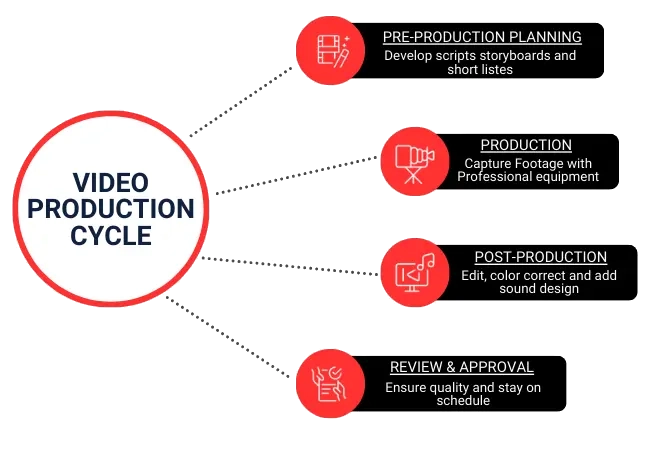
Video production operates through a strategic three-phase framework that transforms initial concepts into compelling visual content. The process begins with pre-production planning, where teams develop scripts, storyboards, and shot lists while securing locations and talent.
During production, crews capture footage using professional equipment and lighting setups. Finally, post-production brings everything together through editing, color correction, and sound design.
Successful video creation relies on implementing proven best practices throughout each phase. Research shows that 91% of businesses report positive ROI from video content, highlighting the importance of following systematic approaches.
Teams coordinate closely between departments, maintain consistent quality standards, and establish clear approval workflows to ensure projects stay on schedule and within budget.
Understanding this structured workflow helps brands make informed decisions about whether to produce content in-house or partner with professional agencies for optimal results.
The Video Production Process Explained
The video production process follows a systematic workflow that transforms creative concepts into polished visual content. This structured approach ensures consistent quality while managing resources efficiently throughout each production phase.
Understanding this process helps businesses anticipate timelines, allocate budgets appropriately, and collaborate effectively with production teams. Each phase builds upon the previous work, creating momentum that drives projects from initial brainstorming sessions to final delivery.
Now that we’ve established the fundamental framework, let’s dive deeper into the crucial first phase that sets the foundation for every successful video project.
Pre-Production: Planning the Video
Pre-production serves as the strategic foundation that determines your video’s success before cameras start rolling. This planning phase transforms abstract concepts into actionable blueprints, establishing clear objectives, target audiences, and creative direction that guide every subsequent decision in the production process.
Common tasks in pre-production
Script development forms the backbone of pre-production, involving detailed dialogue writing, scene descriptions, and narrative structure refinement. Teams simultaneously work on location scouting to identify suitable filming environments that align with the creative vision and budget constraints.
Casting decisions require careful evaluation of talent that matches character requirements and brand voice. Equipment planning ensures all necessary cameras, lighting, and audio gear are reserved and tested before production begins.
Shot lists and storyboards provide visual roadmaps that guide filming efficiency and creative execution. Schedule coordination involves aligning cast, crew, and location availability while building in contingency time for unexpected delays.
With pre-production foundations solidified, the focus shifts to the actual filming phase where these carefully laid plans come to life.
Production: Recording the Video
Production is the execution phase in which pre-production planning turns into tangible video content. This stage encompasses all filming activities, from capturing primary footage to recording supplementary B-roll material that enhances the narrative.
The production environment demands precise coordination between technical crew members, talent, and equipment to maintain creative vision while adhering to established timelines and budgets.
What happens during production
Production transforms pre-production blueprints into actual footage through systematic filming, recording, and content capture. The production phase centers on executing the shot list, maintaining continuity across takes, and ensuring technical quality standards. Directors coordinate talent performances while cinematographers handle camera operations, lighting adjustments, and visual composition to match the creative vision established during planning.
Post-Production: Editing and Finishing
Post-production transforms raw footage into polished, professional video content through systematic editing, audio enhancement, and visual refinement. This critical phase determines whether your video achieves its intended impact and maintains viewer engagement throughout.
The editing process begins with footage review and organization, where editors catalog all recorded material, identify the strongest takes, and create a structured timeline. Color correction ensures visual consistency across all shots, while audio mixing balances dialogue, music, and sound effects to create an immersive viewing experience.
Modern post-production workflows increasingly emphasise mobile-first optimisation, reflecting the reality that most business video content is consumed on smartphones and tablets rather than desktops.
Common post-production tasks
Post-production involves several interconnected workflows that transform raw footage into polished content. Essential tasks include video editing, sequencing, where editors cut, arrange, and pace footage to create compelling narratives. Audio enhancement balances dialogue, music, and sound effects while color correction ensures consistent visual quality across all shots.
Motion graphics and text overlays add branding elements, titles, and informational graphics that reinforce messaging. Visual effects integration can range from simple green screen compositing to complex 3D animations, depending on project requirements. The final rendering and compression process optimizes files for specific distribution channels while maintaining quality standards.
Quality control represents the final checkpoint, involving comprehensive review sessions to catch technical issues, continuity errors, or brand guideline violations before delivery.
Video Production Stages Explained Simply
Video production follows three distinct phases that transform ideas into finished content. Pre-production involves planning, scripting, and preparation work that establishes the foundation for successful shoots. Production encompasses the actual filming or recording process, where planned content comes to life through careful execution of shots, lighting, and audio capture.
Post-production represents the final transformation phase, where raw footage becomes polished video through editing, color correction, and audio mixing. Each stage builds upon the previous one, requiring different skills and resources to achieve professional results that engage audiences effectively.
Types of Video Production
- Video production encompasses diverse formats, each serving specific marketing objectives and audience preferences. Understanding these categories helps brands select the most effective approach for their content strategy.
- Corporate videos establish brand authority through executive interviews, company culture showcases, and thought leadership content. Product demonstrations drive conversions by highlighting features and benefits in action.
- Educational content builds trust and expertise, with 71% of consumers preferring video tutorials over written instructions. Testimonial videos leverage social proof, while animated explainers simplify complex concepts for broader audiences.
- Event coverage captures real-time engagement, and social media content adapts messaging for platform-specific consumption patterns. Each format requires distinct production approaches, from intimate interview setups to dynamic multi-camera event coverage.
The key lies in matching production complexity to content goals—understanding which platforms and audiences will consume your content shapes every production decision ahead.
Video Production for Different Platforms
- Each social platform demands unique video specifications and content approaches to maximize engagement and reach. Understanding platform-specific requirements ensures your content performs optimally across different channels.
- YouTube favors longer-form content with detailed storytelling, while TikTok thrives on quick, vertical videos under 60 seconds. Instagram offers multiple formats—Stories, Reels, IGTV—each serving different audience behaviors, and content consumption patterns. LinkedIn video content performs best when it’s professional and educational, focusing on industry insights rather than entertainment. Facebook’s algorithm prioritizes native video uploads over external links, making direct uploads crucial for organic reach.
- Platform algorithms also influence content strategy significantly. What works on one platform rarely translates directly to another without adaptation. This diversity in platform requirements makes understanding specific technical and creative needs essential for successful video marketing campaigns across multiple channels, setting the foundation for choosing the right platforms for your business website integration.
Websites
Website video integration transforms static pages into dynamic, conversion-focused experiences that capture attention and drive action. Modern web users expect rich multimedia content, with videos increasing conversion rates by up to 80% when strategically placed on landing pages and product descriptions.
Auto-play hero videos, embedded testimonials, and product demonstrations create immersive browsing experiences that reduce bounce rates and increase time on site. However, website videos require careful optimization for fast loading times and mobile responsiveness to maintain seamless user experiences across all devices.
This foundation of website video integration naturally extends to the world’s largest video platform, where brands can reach billions of viewers through strategic channel development.
YouTube
YouTube remains the dominant video platform for brand marketing, with over 2 billion logged-in monthly users consuming content across every demographic and interest category. The platform’s sophisticated algorithm rewards consistent, high-quality content that keeps viewers engaged through longer watch times and meaningful interactions.
Successful YouTube strategies focus on educational content, product demonstrations, and authentic storytelling rather than overt promotional messaging. Brands that treat YouTube as a search engine—optimizing titles, descriptions, and thumbnails for discovery—typically see higher organic reach and subscriber growth.
The platform’s diverse content formats, from short-form Shorts to comprehensive tutorials, allow businesses to experiment with different approaches while building genuine community connections that extend far beyond individual videos.
Social platforms
Social media platforms have become the primary battleground for video marketing, with each channel demanding unique content strategies and optimization approaches. Beyond YouTube’s dominance, platforms like TikTok, Instagram, LinkedIn, Facebook each offer distinct audience behaviors, content formats that brands must master to maximize reach, and engagement across their video marketing ecosystem.
Mobile viewing
Mobile viewing has fundamentally transformed video consumption patterns, with over 75% of video content now consumed on mobile devices. This shift demands mobile-first production strategies that prioritize vertical formats, larger text overlays, and content that works without sound. However, many brands still produce desktop-first content that fails to capture mobile audiences effectively, setting the stage for avoidable production mistakes.
Common Video Production Mistakes

Even experienced businesses fall into predictable video production traps that undermine their marketing efforts and waste budget. The most costly mistake is skipping audience research and creating content based on assumptions rather than viewer preferences. According to industry data, businesses that fail to define their target audience see 67% lower engagement rates across all video formats.
Poor audio quality consistently ranks as the top viewer complaint, yet many brands prioritize visuals over sound. Viewers will tolerate lower video quality but abandon content with unclear or distracting audio within seconds. Similarly, ignoring mobile optimization remains surprisingly common despite mobile’s dominance in video consumption.
Overcomplicating the message represents another frequent pitfall, where businesses try to convey too many ideas in a single video instead of focusing on one clear objective. This scattered approach dilutes impact and confuses viewers about the desired action.
Finally, neglecting post-production planning during the filming stage creates expensive revision cycles and missed deadlines. Understanding these common mistakes helps establish a foundation for successful video production strategies.
Frequent mistakes
Beyond poor audio quality and inconsistent branding, businesses repeatedly make fundamental strategic errors that sabotage their video marketing success. The most damaging mistake is creating videos without clear distribution plans – producing high-quality content that never reaches its intended audience because platforms, timing, and promotional strategies weren’t considered during production.
Another critical error is ignoring mobile optimization entirely. With mobile devices accounting for the majority of video consumption, businesses still create content optimized primarily for desktop viewing, resulting in poor user experiences and dramatically reduced engagement rates.
Content misalignment represents perhaps the costliest mistake – producing videos that don’t match audience preferences or platform requirements. A common pattern is creating lengthy, detailed explainer videos for platforms like TikTok or Instagram Reels, where short-form content dominates. This fundamental mismatch wastes production budgets while failing to achieve marketing objectives.
The rush to follow trends without understanding core principles often leads to videos that feel inauthentic or poorly executed. What typically happens is businesses attempt to replicate viral content without considering their brand voice or audience expectations, resulting in content that neither engages viewers nor builds brand equity.
As video marketing continues evolving, understanding these pitfalls becomes essential for staying competitive and maximizing return on video investments.
Video Production Trends in 2026
The video production landscape is evolving rapidly, driven by technological advances and changing consumer expectations that demand more personalized, interactive experiences. AI-powered video creation tools are democratizing production, enabling businesses to create professional-quality content faster and more cost-effectively than ever before.
Short-form vertical video continues its dominance, with platforms prioritizing content optimized for mobile consumption. However, the real shift lies in interactive video experiences that allow viewers to make choices, access additional information, or complete purchases directly within the video player.
Sustainability is becoming a production priority, as brands increasingly consider the environmental impact of their video creation processes. This includes optimizing file sizes for reduced bandwidth consumption and choosing eco-conscious production practices that align with corporate responsibility goals.
The integration of real-time personalization is transforming how businesses approach video content, with dynamic elements that adapt based on viewer demographics, behavior, or location data. These technological advances are setting the stage for a more sophisticated and results-driven approach to video marketing.
Trends shaping video production in 2026
Three transformative forces are revolutionizing how businesses approach video production this year. Interactive content integration leads the charge, with clickable elements and real-time engagement features becoming standard rather than optional. Personalization at scale follows closely, as brands leverage AI to create customized video experiences for different audience segments automatically.
The third major shift involves sustainable production practices, driven by both environmental concerns and cost efficiency. Studios are adopting virtual production techniques and remote collaboration tools to reduce carbon footprints while maintaining creative quality.
These evolving trends directly influence how brands structure their video marketing strategies and select production partners for maximum impact.
How Brands and Businesses Use Video Production
Modern brands leverage video across every stage of the customer journey, from awareness to retention. According to recent data, B2B companies are increasingly using video for lead nurturing, product demonstrations, and customer onboarding processes.
The most common applications include social media content, website landing pages, and email marketing campaigns. Companies also utilize video for internal communications, training materials, and investor relations. Research shows that businesses using video in their marketing strategies report higher engagement rates and improved conversion metrics compared to text-only approaches. This comprehensive adoption of video content sets the foundation for exploring additional resources that can enhance your video production strategy.
Internal Resources for Further Reading
Dive deeper into specific aspects of video production with these comprehensive resources. For the latest industry statistics and benchmarks, Creative Nexus video marketing report provides twelve years of trend data. Strategic insights await in Entrepreneur’s rethinking guide, while production teams benefit from Visla’s technical trends analysis. These curated resources offer actionable guidance to elevate your video strategy.
Soft Call to Action
Ready to transform your brand’s storytelling through strategic video production? The comprehensive insights in this guide provide the foundation, but implementation is where real results emerge. Whether you’re launching your first video campaign or scaling an existing strategy, the key is starting with clear objectives and measurable outcomes.
Consider which video formats align best with your current business goals and audience preferences. Got specific questions about budget allocation, production timelines, or platform optimization? The answers you need are just ahead.
A Beginner’s Guide
Starting your video production journey doesn’t require Hollywood-level expertise or massive budgets. The key is understanding that successful video marketing begins with clear objectives and audience understanding, not expensive equipment. With 96% of people watching explainer videos to learn about products, even simple, well-planned content can drive significant results for your business when executed thoughtfully.
The Ultimate Guide for Beginners
Video production mastery begins with understanding the fundamentals before diving into advanced techniques. This comprehensive foundation covers everything from initial concept development to final distribution strategies, ensuring your first projects deliver professional results that drive meaningful business outcomes.
Video Production 101: The Ultimate Guide for Beginners
Creating professional videos requires understanding three fundamental pillars: visual storytelling, technical execution, and strategic distribution. Each element works together to transform your raw footage into compelling content that drives business results.
The foundation starts with pre-production planning – defining your target audience, crafting a clear message, and storyboarding your shots before cameras roll. This preparation phase determines whether your final video will resonate with viewers or fall flat.
During production, focus on stable footage, proper lighting, and clean composition. Even smartphone videos can look professional when these basics are executed well, proving that technique often matters more than expensive equipment.
Post-production brings everything together through thoughtful editing, color correction, and strategic pacing that maintains viewer engagement. However, the technical aspects represent only half the equation – understanding how audio quality impacts viewer retention will be crucial for your video’s success.
How can I improve the audio quality in my video productions?
Clear audio quality determines whether viewers stay engaged with your content or click away within seconds. Poor audio undermines even the most visually stunning productions, making professional sound capture and post-production essential for successful video marketing campaigns that drive business results.
What are the best practices for lighting in indoor video shoots?
Proper indoor lighting transforms amateur footage into professional-quality content that commands viewer attention. The foundation of effective indoor lighting starts with understanding the three-point lighting system: key light, fill light, and back light working together to create dimensional, flattering illumination.
Position your key light at a 45-degree angle from your subject to create natural-looking shadows and depth. The fill light should be placed opposite the key light at lower intensity to soften harsh shadows without eliminating them completely. Your back light separates the subject from the background, adding crucial depth to the image.
Natural window light serves as an excellent key light source, but requires consistent diffusion through sheer curtains or professional diffusion panels to prevent harsh shadows and overexposure. When natural light isn’t available, LED panels offer color-accurate, adjustable lighting that won’t generate excessive heat during longer shoots.
Control your lighting environment by turning off overhead fluorescent fixtures that create unflattering shadows under eyes and inconsistent color temperatures. Instead, use dedicated video lighting equipment with matching color temperatures, typically 5600K for daylight or 3200K for tungsten.
Having established proper lighting fundamentals, you’ll need the right editing software to enhance and color-correct your professionally lit footage during post-production.
How do I choose the right video editing software for my production needs?
The right editing software accelerates your workflow while matching your technical expertise and budget constraints. Start by evaluating your content complexity—basic social media clips require different capabilities than multi-camera corporate productions.
Budget-conscious teams should prioritize subscription models over one-time purchases, as they typically include regular updates and cloud storage. Free options like DaVinci Resolve offer professional-grade features, while mid-tier solutions like Adobe Premiere Pro provide industry-standard compatibility.
Consider your team’s technical proficiency when making this decision. User-friendly interfaces reduce training time, while advanced features support complex projects. Cloud-based platforms enable seamless collaboration, especially for remote teams managing multiple video campaigns.
The integration with your existing tools matters significantly—ensure compatibility with your camera formats, graphics software, and project management systems before committing to any platform.
What techniques can I use to stabilize my video footage without a gimbal?
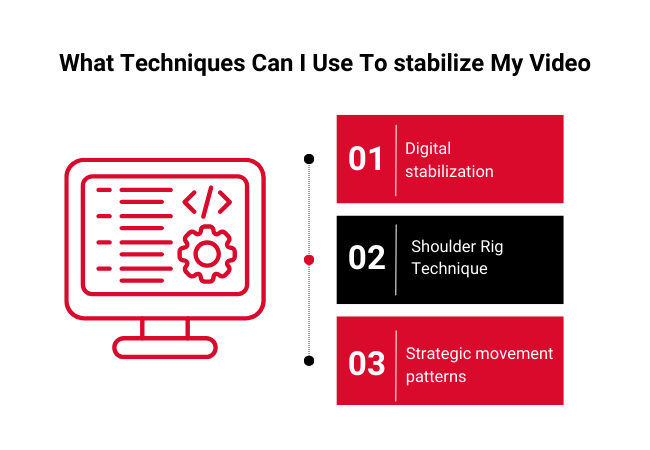
Several proven stabilization techniques can dramatically reduce camera shake and deliver professional-looking footage using only basic equipment. The foundation starts with proper body positioning—plant your feet shoulder-width apart, tuck your elbows against your torso, and breathe steadily while recording. This creates a natural tripod effect that minimizes unwanted movement.
Digital stabilization in post-production offers another powerful solution. Most modern editing software includes built-in stabilization tools that analyze footage frame-by-frame and compensate for camera shake. However, this technique requires shooting with extra headroom since the software crops footage edges during the stabilization process.
The shoulder rig technique transforms handheld shooting by distributing camera weight across your entire upper body. Create a makeshift version using camera straps positioned around your neck and shoulders, or invest in affordable shoulder mount accessories that provide similar stability to professional rigs.
Strategic movement patterns also enhance footage smoothness. Walk heel-to-toe with slightly bent knees to absorb shock, or use the “floating” technique where you glide rather than step normally. For panning shots, pivot from your waist rather than moving your arms, creating fluid horizontal movement.
Finally, intelligent shot selection reduces stabilization needs entirely. Choose wider shots over extreme close-ups, since slight movements appear less noticeable in broader compositions. These foundational techniques prepare you for more complex filming scenarios, including structured corporate video productions that demand consistent professional quality.
How can I effectively plan and script a corporate video shoot?
Effective corporate video planning begins with defining clear objectives and target audience needs before camera setup. Start by establishing whether your video serves to educate prospects, onboard employees, or showcase company culture—this determines your script’s tone and structure.
Create a detailed shot list that includes specific scenes, required equipment, and estimated filming time for each segment. Modern B2B video strategies emphasize authentic storytelling over polished presentations, so plan for natural conversations and real workplace scenarios. Your script should follow a proven formula: hook viewers within the first 15 seconds, present one core message per video, and include a specific call-to-action. However, avoid over-scripting dialogue—conversational delivery feels more authentic than memorized corporate speak.
Plan contingencies for common shoot challenges like background noise, lighting changes, and speaker availability. This preparation streamlines your post-production workflow and ensures consistent messaging across all corporate content.
What are the key steps in post-production for creating a professional-looking video?
Professional post-production follows a systematic workflow that transforms raw footage into polished, brand-ready content. The process begins with organizing and reviewing all footage, creating a logical file structure that separates A-roll, B-roll, audio, and graphics. This foundation prevents costly mistakes and accelerates the entire editing timeline.
Color correction and grading represent the most impactful technical steps, establishing consistent visual tone across all clips while enhancing the overall aesthetic appeal. Audio post-production follows, involving noise reduction, level balancing, and strategic sound design that reinforces your brand message.
The final stages focus on motion graphics integration and brand consistency, where lower thirds, transitions, and visual elements align with established guidelines. Professional editors typically allocate 60% of post-production time to these refinement details, understanding that subtle enhancements separate amateur content from broadcast-quality results that strengthen brand positioning for upcoming marketing initiatives.
Brand Guide
Arizona State University’s brand guide represents institutional excellence in visual communication standards. ASU’s comprehensive brand guidelines demonstrate how educational institutions maintain consistent messaging across diverse video content, from recruitment materials to research presentations. The university’s approach emphasizes authentic storytelling that reflects academic rigor while remaining accessible to prospective students and stakeholders. These standards ensure every video production reinforces ASU’s innovative reputation and commitment to educational transformation.
Video Production Best Practices ASU Brand Guide
Arizona State University’s brand guide exemplifies institutional video production excellence through systematic visual standards. ASU’s comprehensive approach demonstrates how educational institutions create consistent, professional video content that reinforces brand identity while maintaining accessibility and engagement across diverse audiences and platforms.
Creative Nexus
Creative Nexus exemplifies professional video production services that help brands translate strategic vision into compelling visual narratives. Established production companies like Creative Nexus demonstrate the value of partnering with experienced teams who understand both technical excellence and brand storytelling requirements.
Professional video production partners bring specialized expertise that internal teams often lack, particularly in areas like advanced cinematography, post-production workflows, and distribution optimization. This partnership approach becomes increasingly valuable as video content demands continue to escalate across all business sectors, setting the stage for evaluating top-rated video production services in specific markets.
Avoid Staying in the Same Camera Position or Sight Line Too Long
Static camera positions quickly lose viewer attention and create visual monotony that undermines engagement. Modern audiences expect dynamic visual storytelling that maintains interest through varied perspectives and movement.
Strategic camera movement and position changes prevent viewer fatigue while enhancing narrative flow. Implementing shot variety every 5-10 seconds keeps content visually engaging and professional-looking, setting up the foundation for understanding essential equipment needs.
What are the Essential Equipment Needed for a Beginner in Video Production?
Starting your video production journey requires strategic equipment choices that balance quality with budget constraints. Modern smartphone cameras can produce broadcast-quality content when paired with essential accessories like stabilizing gimbals, external microphones, and proper lighting equipment. The foundation includes a reliable tripod
- wireless lavalier microphones
- LED panel lights
- basic editing software—creating professional results without overwhelming initial investment costs.
Final Call to Action
The video production landscape is evolving rapidly, and brands that act now gain a significant competitive advantage. With 91% of businesses using video as a marketing tool in 2026, the question isn’t whether to invest in video content—it’s how quickly you can implement an effective strategy.
Your next step is simple: start with one video project that aligns with your immediate business goals. Whether that’s a product demonstration, customer testimonial, or company introduction, taking action now allows you to learn, iterate, and improve while your competitors are still planning.